

Launching a startup is exciting, but it also comes with constant challenges. Building a great product, hiring the right people, managing finances and winning customers all require focus and resilience. While strategy and execution remain the primary drivers of success, many entrepreneurs also pay attention to how their office environment supports their team’s daily work.
According to MahaVastu, the way an office is planned can influence the overall balance of the workspace. A thoughtfully designed office may encourage better organisation, smoother collaboration and a more productive atmosphere.
If you’re setting up a new office or redesigning an existing one, these MahaVastu principles can help you make informed planning decisions.
Why Office Planning Matters
A startup office is more than a place to work. It is where ideas are discussed, decisions are made and client relationships begin.
A workspace that is clean, functional and thoughtfully organised often helps employees stay focused and creates a positive impression on clients, investors and business partners.
MahaVastu complements these practical aspects by evaluating how different zones within the office are being used.
1. Plan the Founder’s Cabin Carefully
The founder or business owner’s workspace is one of the most important areas of the office.
Instead of selecting a cabin based only on availability, consider its location, seating arrangement and overall layout. A personalised MahaVastu assessment can help identify the most suitable position based on the office floor plan.
2. Create a Welcoming Reception Area
Your reception is often the first thing visitors experience.
Keep it:
Bright
Clean
Well organised
Free from unnecessary clutter
A professional entrance helps create a positive first impression and reflects the culture of your business.
3. Keep Workstations Organised
An untidy office can make collaboration more difficult.
Encourage employees to:
Keep desks organised
Manage cables neatly
Remove broken or unused equipment
Avoid excessive clutter around workstations
An organised environment supports efficiency and improves the overall workplace experience.
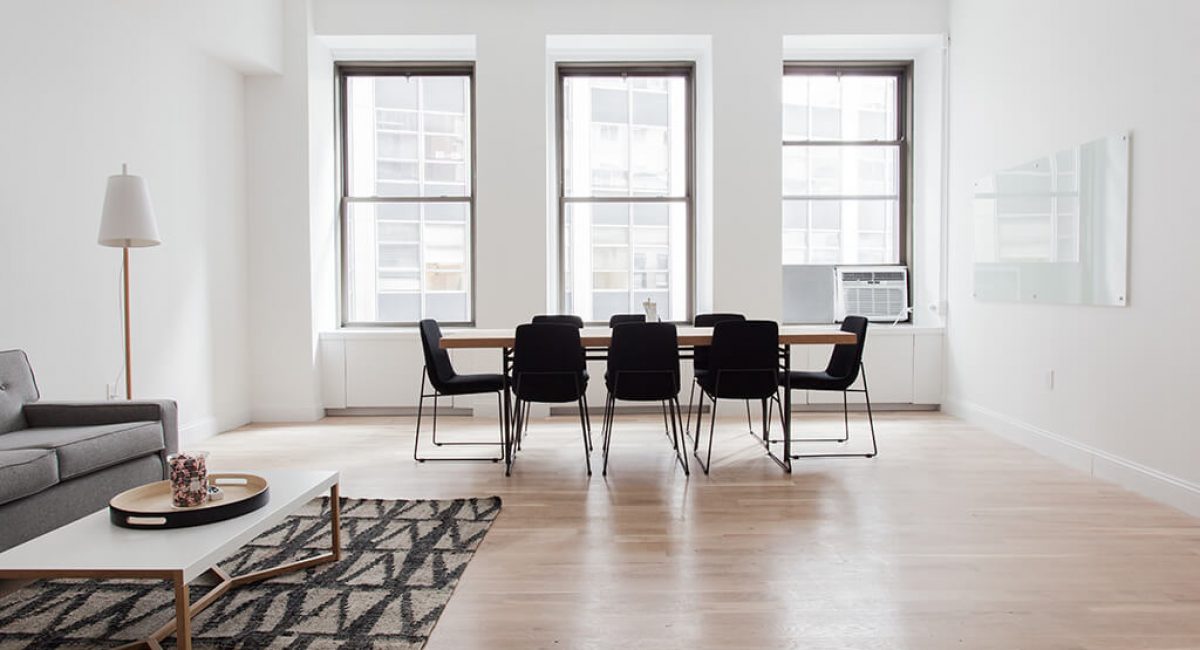
4. Plan Meeting Rooms Thoughtfully
Meeting rooms are where ideas, negotiations and important decisions take place.
Ensure these spaces are:
Comfortable
Well ventilated
Properly illuminated
Equipped for productive discussions
Good meeting spaces support collaboration and professional communication.
5. Use Storage Wisely
Files, inventory, office supplies and equipment should have designated storage areas.
Avoid stacking boxes or unused furniture in walkways or common areas, as this can make the office feel crowded and reduce functionality.
6. Allow Natural Light Whenever Possible
Natural light creates a more pleasant working environment and helps make the office feel open and welcoming.
Where natural light is limited, ensure that artificial lighting is sufficient for comfortable daily work.
7. Design for Team Productivity
An effective office is not just about aesthetics—it should support how your team works.
Consider:
Easy movement between departments
Comfortable seating
Quiet areas for focused work
Collaborative spaces for brainstorming
Efficient use of available space
These practical factors often have a significant impact on employee satisfaction and productivity.
Common Startup Office Mistakes
Many new businesses unknowingly:
Prioritise décor over functionality.
Leave workstations cluttered.
Neglect the reception area.
Create insufficient storage.
Ignore workspace planning as the team grows.
Addressing these issues early can make the office easier to manage as the business expands.
Why Every Startup Needs a Personalised Vastu Assessment
No two offices are the same.
The ideal workspace depends on:
Office orientation
Floor plan
Department locations
Cabin placement
Meeting room position
Reception layout
Business objectives
MahaVastu recommendations are most effective when tailored to the unique layout of your office rather than copied from a generic checklist.
Frequently Asked Questions
Is Vastu useful for startups?
Many entrepreneurs choose MahaVastu as part of their office planning to create a balanced and organised workspace. Business success also depends on innovation, execution, customer satisfaction and financial management.
Can MahaVastu be applied in a co-working office?
Yes. Even in a shared workspace, seating position, desk arrangement and the use of available areas can often be evaluated according to MahaVastu principles.
Do I need to renovate my office?
Not necessarily. Many MahaVastu recommendations can often be implemented without structural demolition, depending on the existing office layout.
Final Thoughts
Every successful startup begins with a strong vision, disciplined execution and a motivated team. While no office layout can replace strategic thinking or hard work, a thoughtfully planned workspace can support focus, collaboration and efficient daily operations.
If you’re setting up a new startup office or want to optimise your existing workspace, a personalised MahaVastu consultation can provide practical recommendations based on your office floor plan—helping you create an environment that supports long-term business growth.
Be the first to comment