
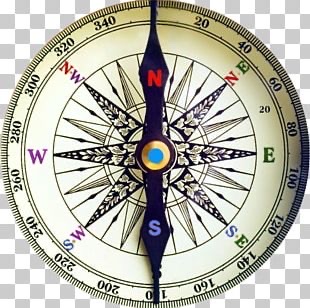
Most people are familiar with the eight main directions—North, South, East and West, along with the four corner directions. MahaVastu goes a step further by dividing a property into 16 distinct zones, each associated with a specific aspect of life.
This detailed approach helps analyse a property more precisely. Instead of making decisions based only on the facing direction of a home or office, MahaVastu studies how each zone is being used and whether its purpose aligns with the qualities traditionally associated with that area.
Understanding these 16 zones provides a strong foundation before making any Vastu-related planning decisions.
Why the 16 MahaVastu Zones Matter
Every zone is believed to represent a different life theme. During a MahaVastu consultation, these zones are evaluated together with the property’s floor plan, room placement and overall energy balance.
No single zone determines your success, health or relationships on its own. MahaVastu looks at the complete interaction of all 16 zones, which is why personalised analysis is always more meaningful than relying on one rule or one direction.
The 16 MahaVastu Zones and Their Significance
1. North-East (NE) – Clarity & New Ideas
The North-East is associated with clarity of thought, inspiration and fresh perspectives. A well-planned NE zone is traditionally considered supportive of learning, creativity and thoughtful decision-making.
2. East of North-East (ENE) – Recreation & Rejuvenation
ENE is linked with relaxation, recovery and mental refreshment. Spaces that encourage rest and renewal may naturally complement the qualities associated with this zone.
3. East – Connectivity
The East zone represents communication, social interaction and meaningful connections. It is often associated with building relationships, collaboration and staying connected with people and opportunities.
4. East of South-East (ESE) – Analysis & Churning
ESE is associated with analysis, logical thinking and processing information. It is often considered a suitable zone for activities that involve evaluation, planning and detailed thinking.
5. South-East (SE) – Cash Liquidity
According to MahaVastu, the South-East zone is linked with cash flow and liquidity. In commercial properties, this zone is often analysed carefully when evaluating financial movement within the business.
6. South of South-East (SSE) – Power & Confidence
SSE is traditionally connected with personal confidence, authority and the ability to take initiative. It is associated with determination and leadership qualities.
7. South – Relaxation & Fame
The South zone represents rest, recognition and reputation. Maintaining balance in this area is considered important for creating a stable and comfortable environment.
8. South of South-West (SSW) – Disposal & Letting Go
SSW is associated with disposal, decluttering and releasing what is no longer required. Activities involving waste management or removing unnecessary items are often related to this zone.
9. South-West (SW) – Skills & Family Relationships
The South-West is traditionally associated with stability, experience, long-term relationships and personal skills. It is regarded as an important zone in both residential and commercial properties.
10. West of South-West (WSW) – Education & Savings
WSW represents learning, disciplined growth and financial savings. It is often linked with developing knowledge and building long-term security.
11. West – Gains & Profit
The West zone is associated with achievements, business gains and measurable outcomes. In commercial MahaVastu, this zone is frequently evaluated while analysing business performance.
12. West of North-West (WNW) – Depression Detoxification
According to MahaVastu, WNW is connected with emotional release and detoxification from negative thought patterns. It is associated with creating a lighter and more balanced emotional environment.
13. North-West (NW) – Support & Banking
NW is linked with helpful people, networking, institutional support and banking-related matters. It also represents movement and external cooperation.
14. North of North-West (NNW) – Attraction & Relationships
NNW is associated with attraction, intimacy and interpersonal bonding. It is one of the zones considered while evaluating relationship-related aspects within a property.
15. North – New Opportunities
The North zone is traditionally connected with career growth, opportunities, movement and new possibilities. It is one of the most important zones assessed during residential and commercial MahaVastu consultations.
16. North of North-East (NNE) – Health & Immunity
NNE is associated with physical wellbeing, vitality and immunity. Maintaining balance in this zone is considered an important part of creating a healthy living environment.
Why the Complete Layout Matters
A common misconception is that correcting one direction will solve every challenge.
In reality, MahaVastu evaluates:
The interaction between all 16 zones
Room placement
Functional use of each area
Missing or extended zones
Property orientation
Individual goals and concerns
This holistic approach helps ensure that recommendations are tailored to the property rather than based on generic advice.
Frequently Asked Questions
What are the 16 MahaVastu zones?
The 16 MahaVastu zones are a detailed division of a property, with each zone traditionally associated with a specific aspect of life such as health, opportunities, savings, relationships, confidence or financial flow.
Are the 16 zones more detailed than the traditional eight directions?
Yes. MahaVastu expands the traditional directional model into 16 zones, allowing a more detailed analysis of a property’s layout and functionality.
Can I analyse my property using only these descriptions?
These descriptions provide a general understanding of each zone. A professional MahaVastu assessment also considers the property’s orientation, floor plan and the interaction between all zones before making recommendations.
Final Thoughts
Understanding the 16 MahaVastu zones is the first step towards understanding how different areas of a property are traditionally associated with different aspects of life. Rather than focusing on one direction alone, MahaVastu encourages a balanced view of the entire space.
If you are planning a new home, buying a property or looking to optimise your existing residence or workplace, a personalised MahaVastu consultation can help you evaluate all 16 zones together and provide practical recommendations based on your unique floor plan.
Be the first to comment