
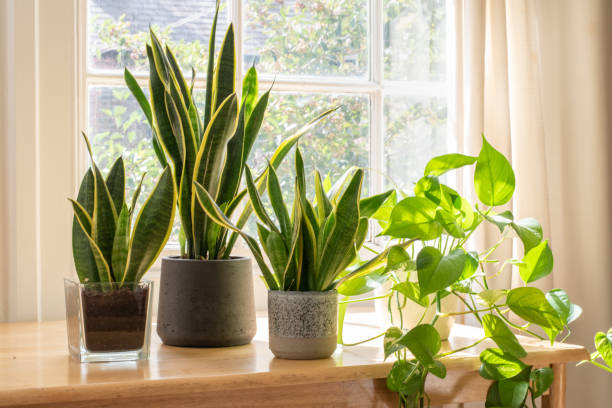
Indoor plants do much more than enhance the appearance of a home. They bring freshness, soften interior spaces and create a calming atmosphere. In MahaVastu, plants are also viewed as living elements that should be placed thoughtfully so they complement the purpose and energy of different areas within a property.
However, an important principle is often overlooked: not every plant is suitable for every location. The type of plant, its condition and the zone where it is placed all deserve careful consideration.
Rather than filling every corner with greenery, a balanced approach is always recommended.
Plants represent growth and vitality. When placed appropriately, they can contribute to a pleasant and welcoming environment.
MahaVastu focuses on understanding the nature of each zone before deciding where a plant should be kept. This approach is more meaningful than following the same placement rule for every home.
Following zones should not have any plants :
South West
South of South West
West of South West
West
West of North West
North West
Money Plant is one of the most popular indoor plants because it is easy to maintain and adapts well to indoor conditions.
In MahaVastu, its placement should be decided according to the overall layout of the home rather than by following generic advice.
Tulsi holds deep cultural and spiritual significance in many Indian households. Besides its traditional importance, it is also appreciated for its pleasant appearance and everyday usefulness.
The location of a Tulsi plant should be selected carefully based on both practical and MahaVastu considerations.
Lucky Bamboo is often chosen for offices and homes because of its elegant appearance and minimal maintenance requirements.
As with any indoor plant, thoughtful placement is more important than simply owning the plant.
Areca Palm is widely used to create a bright and refreshing indoor environment. It works well in spacious living areas and offices where natural light is available.
Peace Lily is appreciated for its attractive foliage and white flowers. It is commonly selected for indoor spaces because it thrives well with moderate care.
Healthy, well-maintained plants contribute more positively to the appearance of a home than dry or neglected plants.
Regular watering, pruning and proper care are essential.
Plants that have dried out or died should be removed promptly. Keeping unhealthy plants for long periods affects the overall appearance of the space and reflects poor maintenance.
Different plants have different lighting requirements. Choose locations where they can receive the appropriate amount of natural or indirect light.
Too many plants in one room can make the space feel cramped and difficult to maintain.
A few well-placed plants usually create a more balanced and visually appealing environment.
Many homeowners unknowingly:
Place the same type of plant in every room.
Keep dried or unhealthy plants for long periods.
Ignore the maintenance needs of indoor plants.
Select plants based only on decoration without considering the overall layout of the home.
The ideal placement of indoor plants depends on:
Property orientation
Room function
Available sunlight
Ventilation
The complete MahaVastu layout
For this reason, personalised recommendations are often more effective than following universal placement rules.
Many homeowners choose plants such as Money Plant, Tulsi, Lucky Bamboo, Areca Palm and Peace Lily. The most suitable choice depends on the purpose of the space, the available growing conditions and the property’s overall layout.
Not necessarily. Plants should be placed thoughtfully, taking into account the room’s function, available light and overall design. A balanced approach is generally recommended.
Indoor plants are only one aspect of a property’s overall planning. MahaVastu evaluates the complete layout, including room placement, directional zones and the interaction between different areas of the home.
Indoor plants can make a home feel fresher, calmer and more inviting when they are chosen carefully and maintained well. In MahaVastu, thoughtful placement is considered just as important as selecting the right plant.
Instead of relying on generic advice, evaluate your home’s complete layout before deciding where to place indoor plants. A personalised MahaVastu consultation can help you choose suitable locations that complement your property’s unique floor plan while maintaining both beauty and functionality.
Copyright © 2020 | solvevaastu.com
WhatsApp us